
Saudi Arabia Activates Foreign Property Ownership System as Applications Move Through Saudi Properties Portal
The non-Saudi ownership framework entered force on January 22, 2026, with implementing regulations published on July 3.
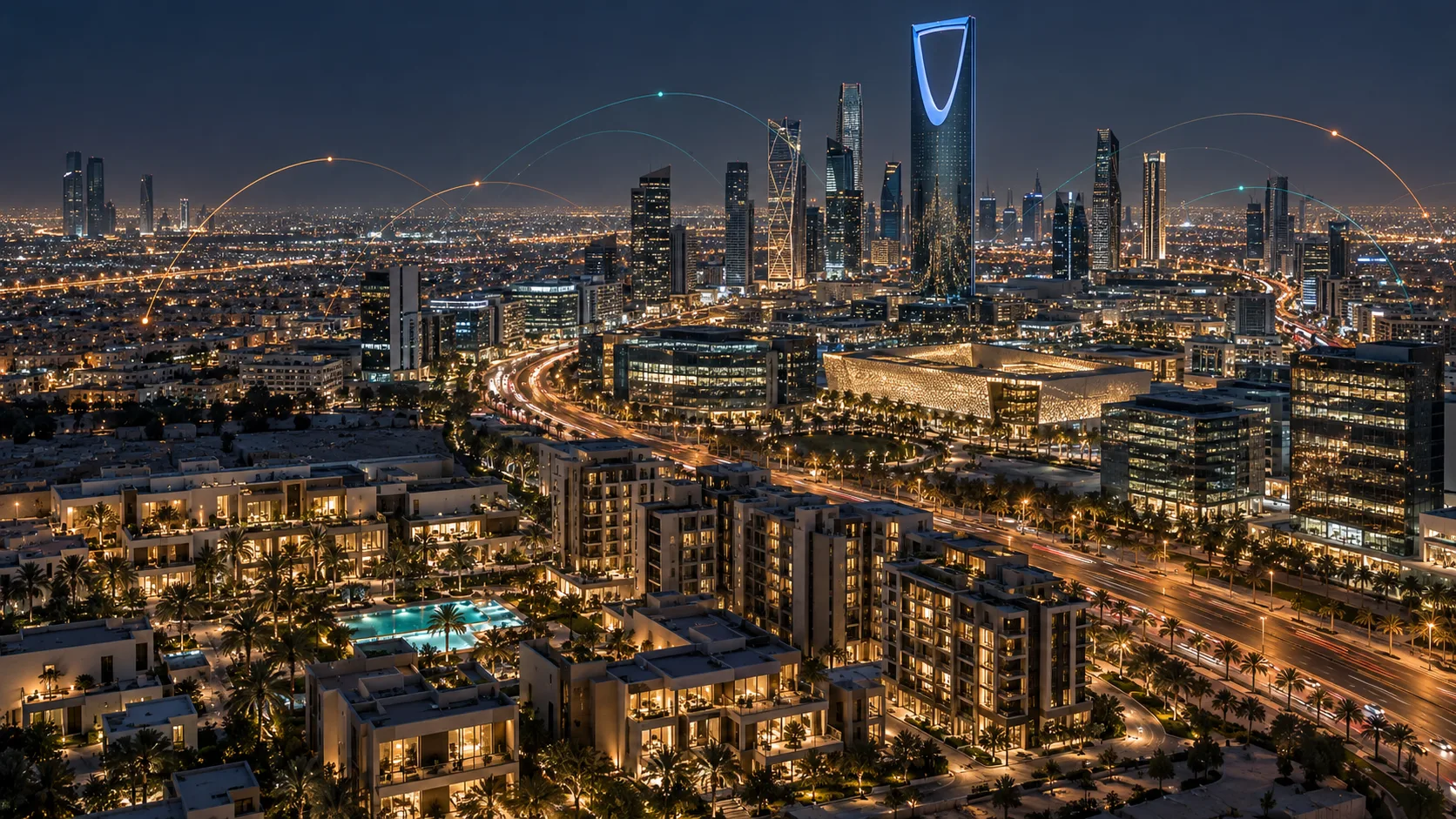
Saudi Arabia's foreign real estate ownership regime is now operational, allowing non-Saudis to pursue ownership or other rights in rem within designated areas and under defined conditions. Applications are being handled through the official Saudi Properties portal.
What this means for investors
For an AlSafaqa reader assessing Saudi exposure, the system creates a new diligence sequence. The first question is eligibility: whether the target asset sits within a permitted geographical area and whether the proposed ownership or right in rem is allowed under the applicable conditions.
Saudi Arabia has put its foreign real estate ownership regime into operation, giving non-Saudis a formal route to apply for property ownership or other rights in rem within areas designated under the regulatory framework. Applications are being processed through the official Saudi Properties portal, establishing a new operating framework for international investors, developers, brokers, lenders and asset owners.
Executive Summary
The Real Estate Ownership System for Non-Saudi Nationals entered into force on January 22, 2026, and JLL reports that the reform is now fully operational. The framework could widen participation in Saudi Arabia's property market, although geographic conditions, ownership restrictions and special provisions for Makkah and Madinah make compliance central to any transaction.
Confirmed Development Facts
- The Real Estate Ownership System for Non-Saudi Nationals entered into force on January 22, 2026.
- Applications are handled through the official Saudi Properties portal, which is processing submissions.
- The active law permits non-Saudis to own real estate or acquire other rights in rem within geographical areas determined under the regulatory framework.
- The regime includes specific restrictions and conditions, with special rules applying to Makkah and Madinah.
- Implementing regulations for non-Saudi real estate ownership were approved and published in Umm Al-Qura on July 3, 2026.
- JLL describes the foreign ownership reform as fully operational.
Market Significance
The reform's significance for Saudi Arabia's property market lies less in a single launch event than in the creation of an investable framework with an administrative channel. A functioning application process gives market participants a clearer basis for structuring sales, financing, advisory and asset-management activity involving non-Saudi nationals. It also shifts the market question from whether foreign ownership is possible to where it is permitted, which rights may be acquired and how those rights must be documented.
The opening is likely to be most relevant to segments that can accommodate cross-border demand and transparent ownership structures. Residential projects, branded or professionally managed assets, commercial property and destination-led developments may each benefit if their locations and legal structures fall within the permitted framework. The opportunity is not uniform across the Kingdom: geographic designations and the separate treatment of Makkah and Madinah will shape the practical market impact.
Investor Perspective
For an AlSafaqa reader assessing Saudi exposure, the system creates a new diligence sequence. The first question is eligibility: whether the target asset sits within a permitted geographical area and whether the proposed ownership or right in rem is allowed under the applicable conditions. The next concerns execution, including the documentation required through Saudi Properties and the responsibilities of the seller, broker, lender and legal advisers.
Regulatory access should also be distinguished from market depth. The framework may broaden the addressable buyer base, but actual demand will depend on pricing, product quality, financing availability, title and registration processes, and the ability of developers and intermediaries to serve international clients. Timing considerations therefore extend beyond the effective date: early participants may gain experience with the process, while later investors may benefit from greater operational clarity. The reform enables market participation but does not, by itself, constitute a recommendation to acquire property.
Sources & methodology
How this report was built
This is an editorial analysis. It sets out our reading of the market rather than a computed dataset.
Data coverage
Any figures mentioned are attributed in the text to the source they came from.
Article scope
All property types
Transparency notes
The confirmed fact package does not specify the designated-area list, application volumes, approval rates, processing times, transaction values or the detailed conditions for each property category. It confirms that the framework is operational, applications are being processed through Saudi Properties, and implementing regulations were published on July 3, 2026.
Related stories
Red Sea Global Opens Nammos Resort AMAALA with 110 Keys and 20 Private Residences at Triple Bay
Red Sea Global announced the opening of Nammos Resort AMAALA at Triple Bay on 7 September 2026, adding 110 keys, 20 private residences and a private-island beach club to the destination’s hospitality portfolio.
Saudi LEAP 2026: $1.2 Billion Al Moammar Data-Centre Expansion and $880 Million Khuzam Digital Valley Project
Al Moammar Information Systems announced a $1.2 billion expansion taking its Saudi data-centre capacity to 192 megawatts, while NHC Innovation announced an $880 million, 65-megawatt development at Khuzam Digital Valley by 2033.
NHC’s Khuzam Digital Valley to Drive USD 880 Million Data-Centre Investment in Riyadh
Saudi Arabia’s National Housing Company is developing Khuzam Digital Valley in Riyadh through NHC Innovation, with an approximately SAR 3.3 billion investment reported for a data-centre project targeting up to 65 megawatts of IT load by 2033.
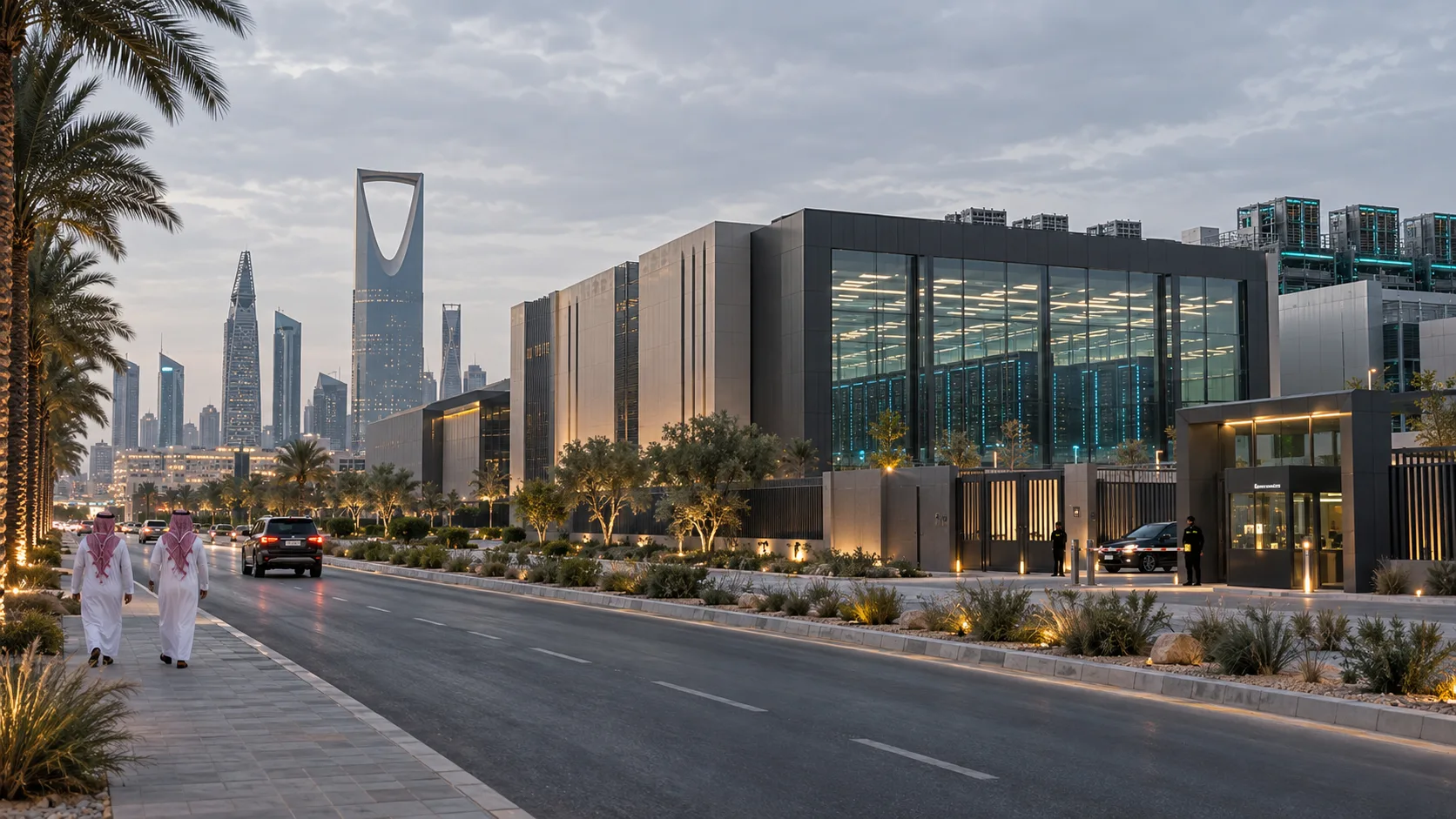
HUMAIN Begins IPO Preparations as Proposed $2.5 Billion Fund Targets Saudi AI Data Centres
HUMAIN has begun preparations for a potential public listing and is reportedly seeking $2.5 billion from domestic and international investors for a Saudi data-centre fund. The plan adds a significant prospective capital source to the Kingdom’s AI infrastructure pipeline, alongside up to $1.2 billion in non-binding financing terms with the National Infrastructure Fund.