
Alstom Signs Approx. €460 Million Riyadh Metro Contract for Lines 3, 4 and 6
The Royal Commission for Riyadh City contract covers additional driverless trains, integration with existing infrastructure and maintenance under Alstom’s existing agreement.
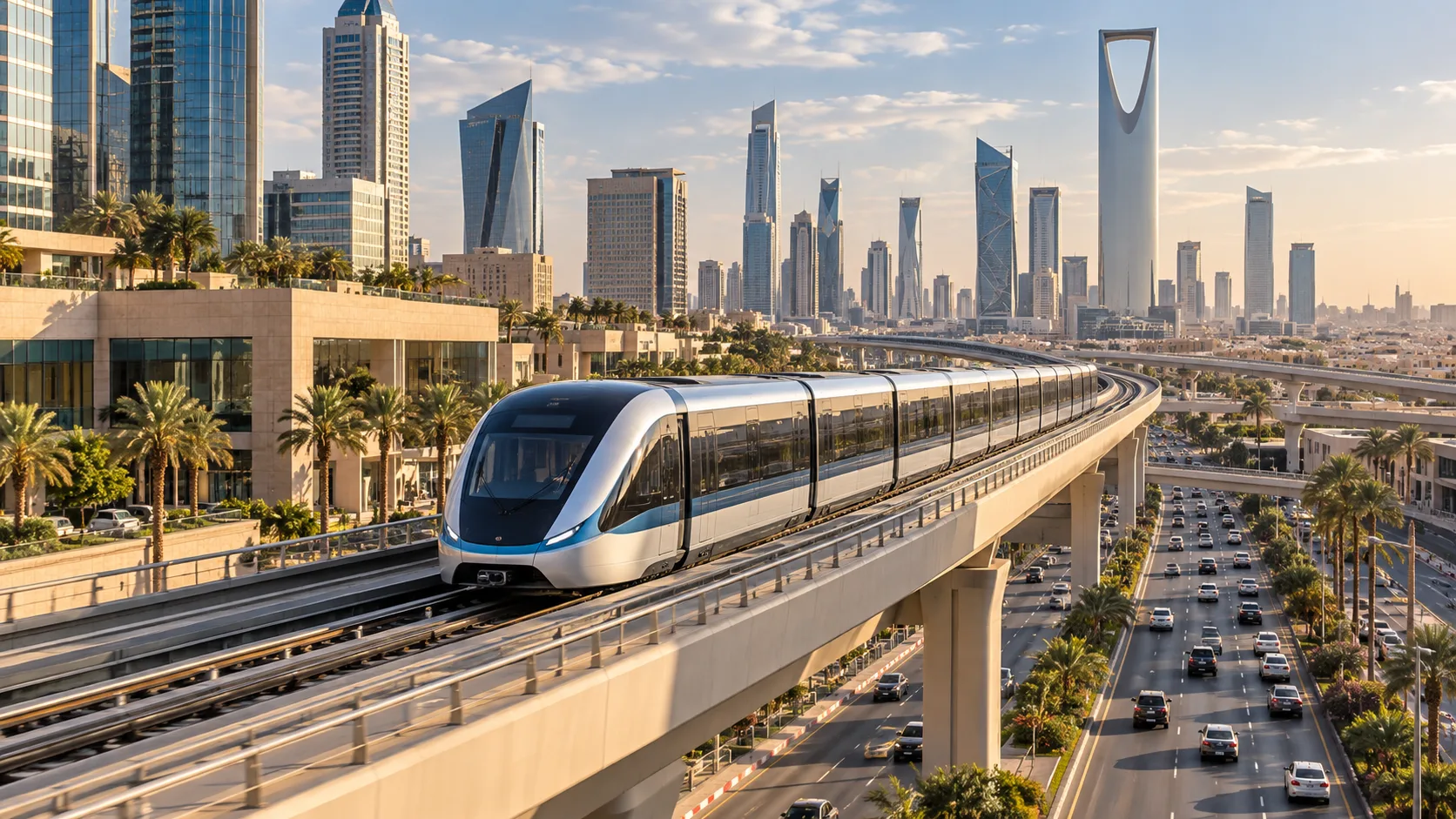
Alstom has signed an approximately €460 million contract with the Royal Commission for Riyadh City to supply and integrate additional driverless trains for Riyadh Metro Lines 3, 4 and 6.
What this means for investors
Investors assessing Riyadh assets can view the contract as a supportive infrastructure signal rather than a standalone property catalyst. The practical question is whether the additional trains translate into more useful service and stronger access to employment, retail and residential locations.
Alstom has signed an approximately €460 million contract with the Royal Commission for Riyadh City to supply additional driverless trains for Riyadh Metro Lines 3, 4 and 6. The agreement also includes integration with existing network infrastructure. Alstom will maintain the new vehicles under its existing operations and maintenance contract for the three lines.
Executive Summary
The contract extends Alstom’s role across Riyadh Metro Lines 3, 4 and 6, bringing together train supply, integration and ongoing maintenance. For property and infrastructure stakeholders, the award signals continued investment in the transport system. Its precise effect on service capacity and surrounding districts, however, depends on delivery and operating details not established here.
Confirmed Contract Details
Alstom announced that it had signed the contract with the Royal Commission for Riyadh City. The scope includes additional driverless trains for Riyadh Metro Lines 3, 4 and 6, as well as integrating the vehicles into existing infrastructure. Alstom valued the order at approximately €460 million; the company’s release also estimated its value at approximately US$585.5 million. Maintenance will be provided through Alstom’s existing operations and maintenance contract for the three lines.
Market Significance
The award highlights that large-scale urban transport investment extends beyond initial network construction. Additional vehicles must work with established infrastructure and be supported through ongoing operations. Bringing supply, integration and maintenance together under Alstom’s role may help align these tasks, but does not by itself establish when service levels or passenger capacity will change.
For Riyadh’s property market, improved public transport can strengthen the appeal of convenient locations, while reliable connections can matter to residents, businesses and visitors. This is a potential market channel, not evidence that the contract has already increased values or demand in any particular area. Its coverage of Riyadh Metro Lines 3, 4 and 6 gives the award relevance across a wider part of the network than a single-line procurement, without identifying specific station catchments or property beneficiaries.
Investor Perspective
Investors assessing Riyadh assets can view the contract as a supportive infrastructure signal rather than a standalone property catalyst. The practical question is whether the additional trains translate into more useful service and stronger access to employment, retail and residential locations. Those outcomes depend on implementation and network operations. Comparisons with other transit-served districts should therefore consider actual connectivity and service performance, not simply proximity to a metro line.
The continued maintenance arrangement also matters: long-term transport performance depends on operations as well as new equipment. Developers and asset owners can monitor subsequent delivery and operating milestones before incorporating assumed accessibility gains into project positioning or valuations. This is a framework for evaluating exposure, not a recommendation to buy.
Sources & methodology
How this report was built
This is an editorial analysis. It sets out our reading of the market rather than a computed dataset.
Data coverage
Any figures mentioned are attributed in the text to the source they came from.
Article scope
All property types
Transparency notes
The available information does not specify the number of trains, delivery timetable, commissioning milestones or quantified capacity impact. The contract value is stated as approximately €460 million, with approximately US$585.5 million presented as the company’s estimate.
Related stories
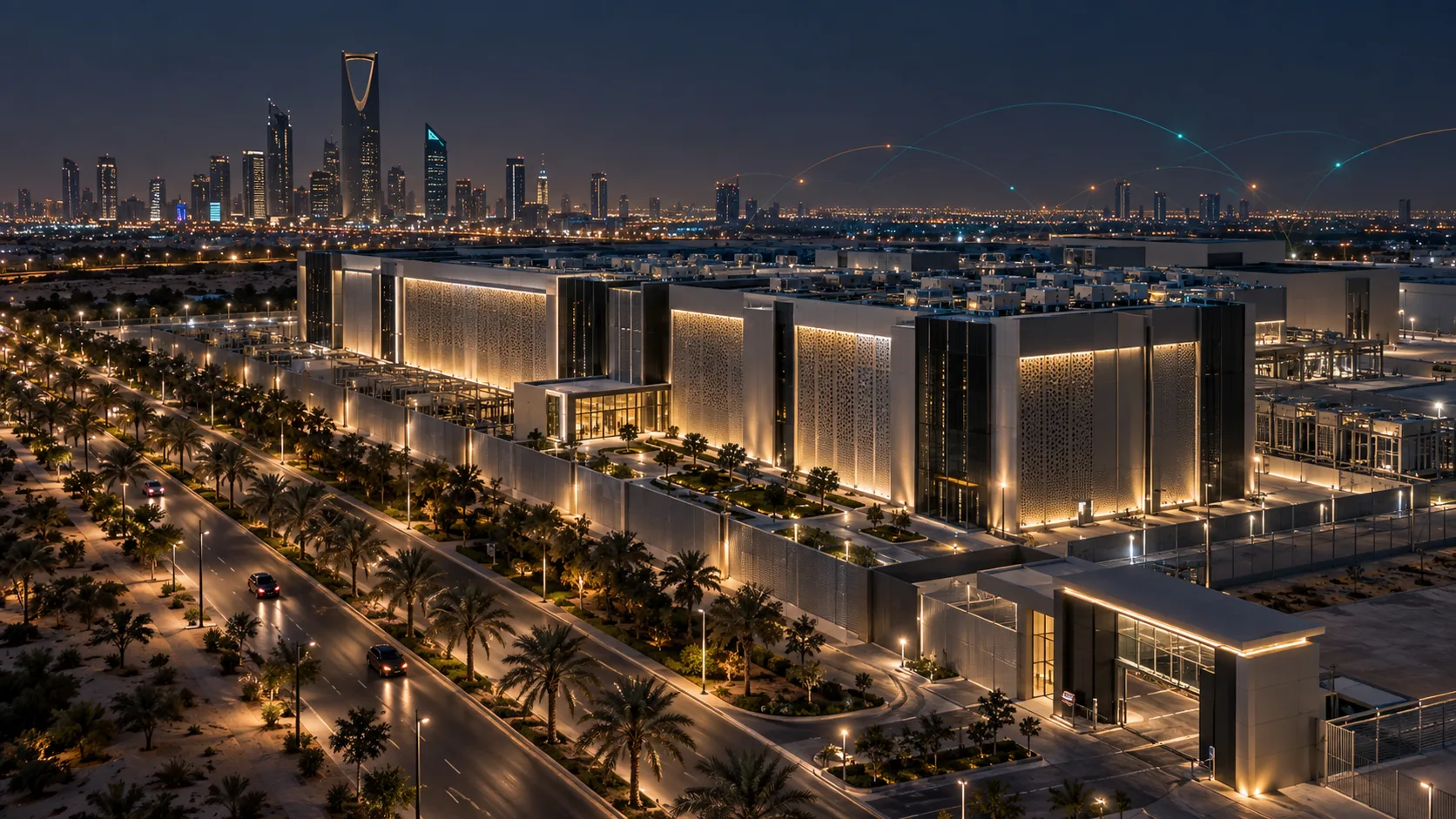
MIS Expands HUMAIN Agreement for 250 MW of Saudi AI Data-Centre Capacity
Al Moammar Information Systems Company has signed an agreement with HUMAIN to increase planned AI data-centre capacity in Saudi Arabia from 50 MW to 250 MW. The programme will be delivered through additional facilities and work orders, while the precise contract value, execution period and financial impact remain undisclosed.
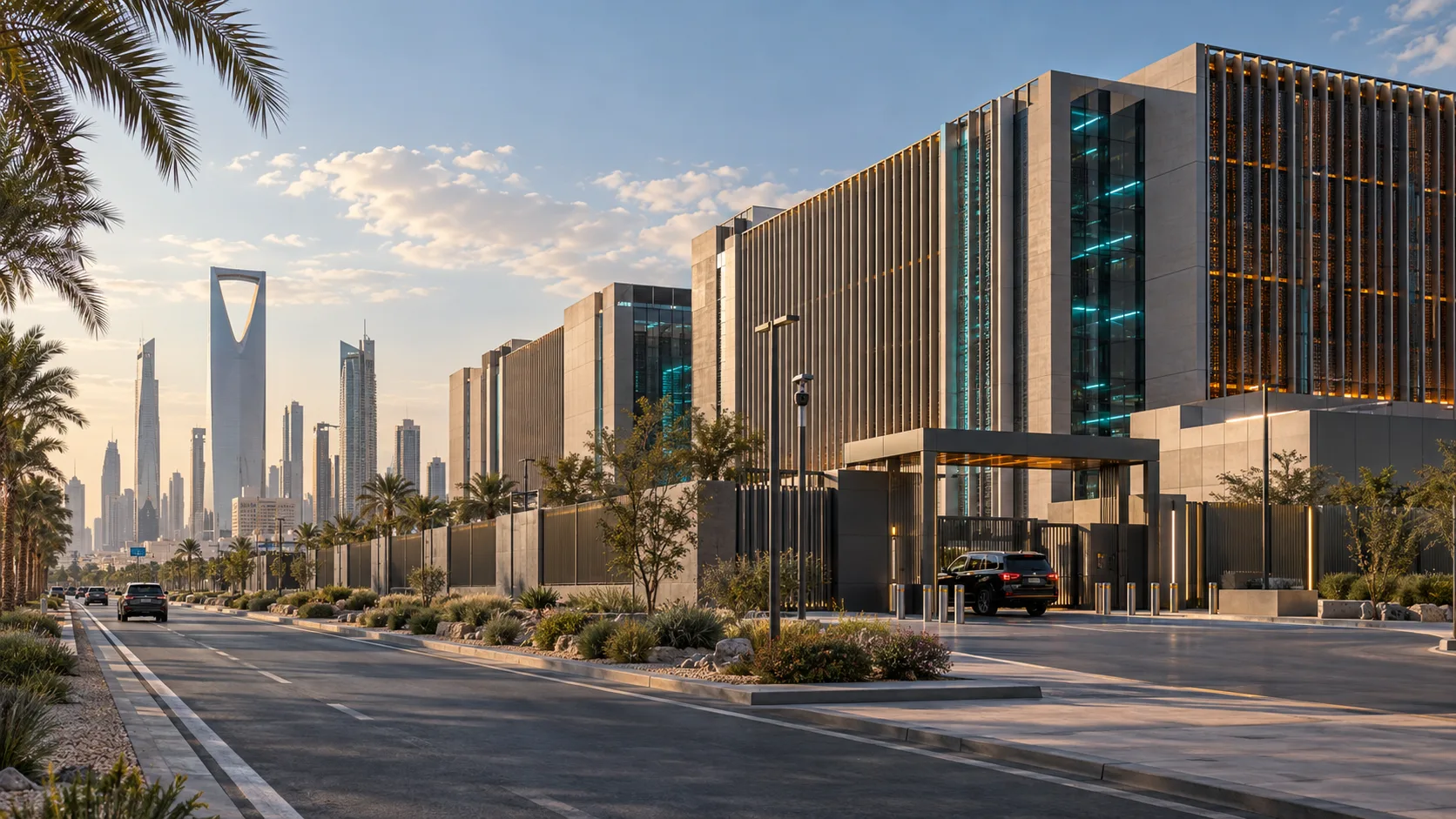
MIS Expands HUMAIN AI Data-Centre Project to 250 MW Under Agreement Valued at Approximately SAR 8.76 Billion
Al Moammar Information Systems has expanded its artificial-intelligence data-centre project for HUMAIN fivefold, from 50 MW to 250 MW. The agreement value exceeds 689% of MIS’s 2025 revenue and is equivalent to approximately SAR 8.76 billion based on reported revenue of about SAR 1.27 billion.
HUMAIN Considers Up to $3 Billion Fund for Saudi Arabia Data Centres
Saudi AI company HUMAIN is considering a fund of up to $3 billion to expand data-centre capacity across the Kingdom. The proposal comes alongside non-binding financing terms of up to $1.2 billion for up to 250 MW of hyperscale AI capacity and an approximately $3 billion partnership with AirTrunk.
Red Sea Global Opens Nammos Resort AMAALA with 110 Keys and 20 Private Residences at Triple Bay
Red Sea Global announced the opening of Nammos Resort AMAALA at Triple Bay on 7 September 2026, adding 110 keys, 20 private residences and a private-island beach club to the destination’s hospitality portfolio.